The creed of the Volunteer is “One that beareth a torch shadoweth oneself to give light to others.” Although they most certainly did not realize it at the time, Drs. India Lane, Nancy Howell, and Michael Sims sparked a pilot light in veterinary education in 2008 with the establishment of the college’s Master Teacher Program. They understood that most teachers in veterinary colleges were expert veterinarians but desired growth in teaching practices. Today, the Master Teacher Program torch spreads a Big Orange glow throughout the world.
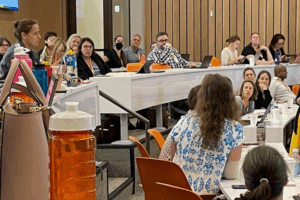
The program was initiated to support the highest quality of instruction within the various education missions of the college. Even after Howell and Sims retired, monthly sessions and intermittent workshops continued with the main goal of strengthening teaching and student learning. In 2019, the Smith Center for International Sustainable Agriculture enabled that goal to extend to East African veterinary schools. Through a seed grant from the Smith Center, Drs. Marcy Souza and Misty Bailey worked with Lane to package a 4-day teaching workshop in Uganda. Programming focused on essential concepts of effective teaching, such as how people learn, assessing learning, and designing educational sessions, among others. Twelve faculty members from four East African countries attended the workshop.
By 2020, the team had repackaged the workshop into an online certificate program for faculty, interns, residents, and veterinary nurses. To date, 49 college faculty and staff have enrolled. A similar self-paced certificate program in Fundamentals of Veterinary Classroom Teaching launched in 2021 and became available to those outside the college.
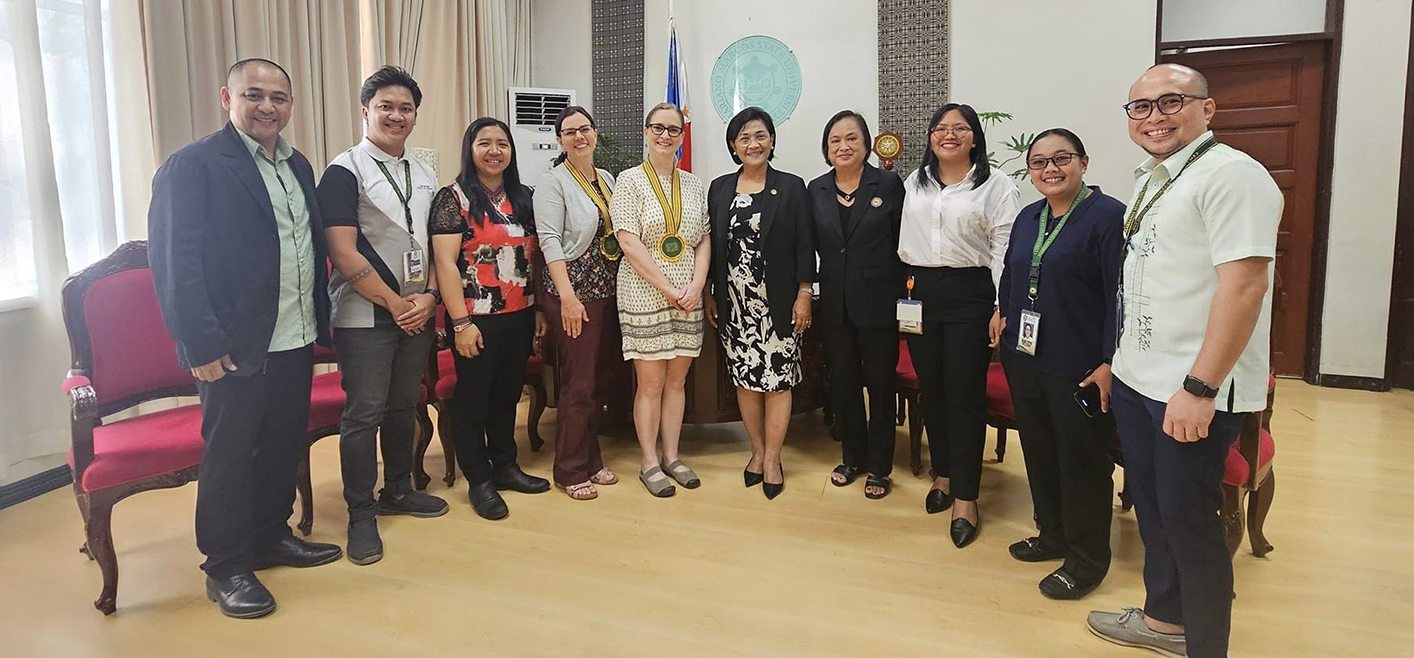
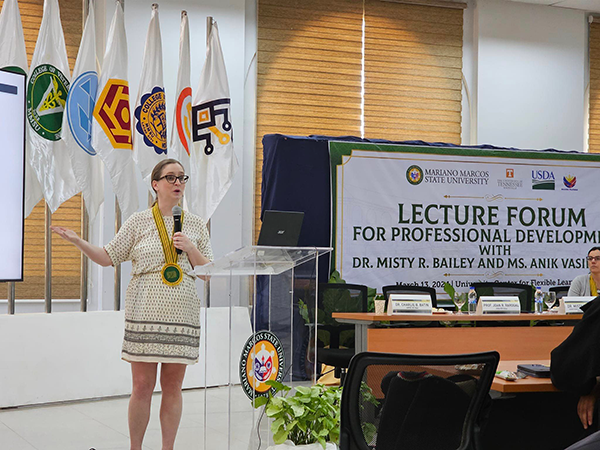
Our faculty and staff’s experience and reach with providing development in veterinary education positioned the college and the Smith Center to host two successful Faculty Exchange Programs for the USDA Foreign Agricultural Service—African Veterinary Sciences in 2022 and the Philippines in 2023. Souza, the coordinator for the program, welcomed another cohort of 10 faculty fellows from the Philippines to spend 4 months at UT this fall.
These USDA exchange programs focus on enhancing the teaching ability of agricultural educators from institutions in developing countries. Alumni of the program are integral in preparing the next generation of veterinary professionals to better understand the global agricultural marketplace and support evidence-based decision-making and trade policies. An expectation is that faculty mentors from the UT Institute of Agriculture will later visit the veterinary schools of their respective mentees to continue conversations and collaborations.
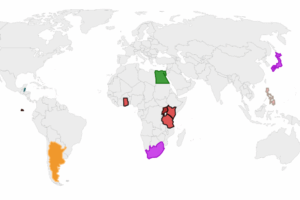
A bonus of the USDA exchanges has been our ability to share the online Master Teacher Program certificate with colleagues of program alumni. Who could have imagined that a flicker of passion for veterinary education could help kindle real-life solutions for 92 veterinary educators from eight countries around the world?
MORE FROM THIS ISSUE