A Cross-species Crisis
In 2023, U.S. animal shelters saw a quarter million more animals than in previous years. Coupled with low adoption rates and overcrowding the sheltering world is caught in a chronic, post-pandemic crisis. Economic struggle, housing deficits, lifestyle and employment changes, and a substantial rise in the cost of pet food and veterinary care contribute to this new norm. While great strides have been made over the past 20-30 years to alleviate problems of animal homelessness, neglect and abuse, data from the last two years paint an ominous picture.
American Society for the Prevention of Cruelty to Animals (ASPCA) nationwide surveys found that 1 in 5 households in the United States acquired a cat or dog during the pandemic. By May 2021, 85% of adopted cats and 90% of dogs were still in the home, and owners intended to keep them. Despite these hopeful statistics, shelters began to fill with animals, and with adoptions on the decline, by 2022 a national crisis of animal overcrowding ensued. From California to Illinois, Florida to New York, shelters were packed, euthanasia rates rose, and to this day there is little relief in sight.
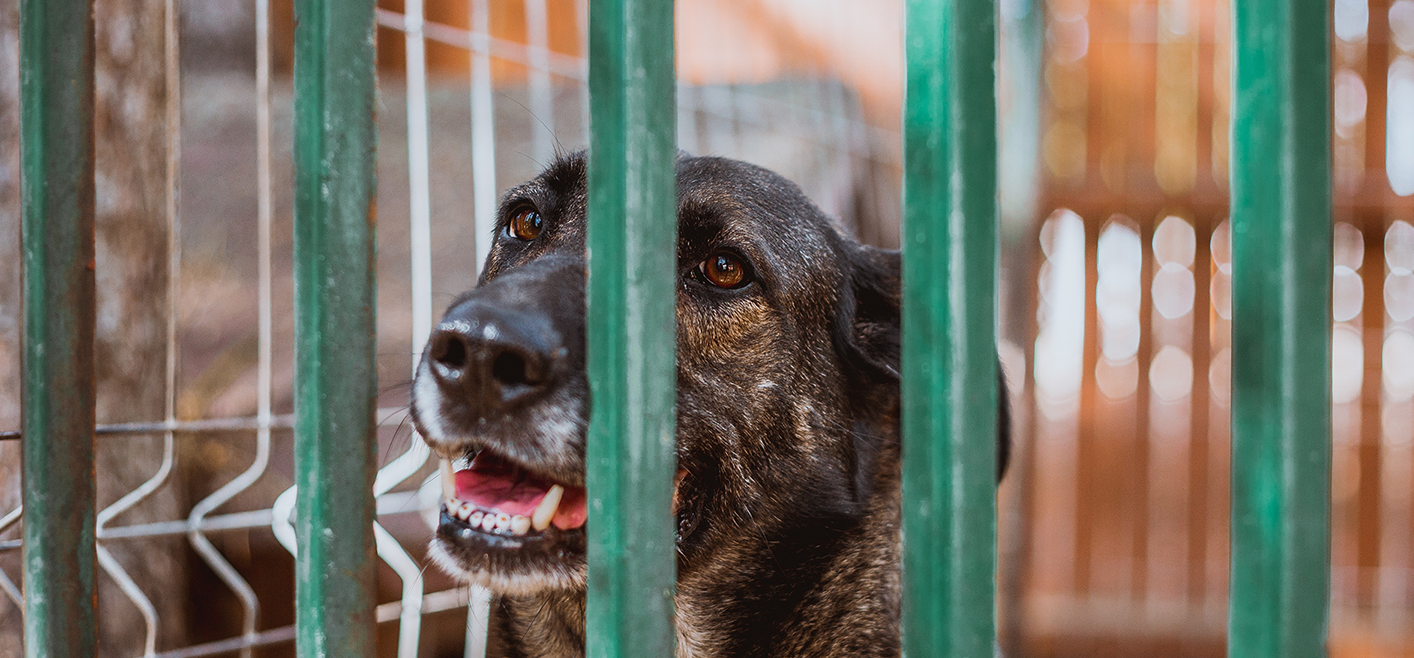
Here in East Tennessee, animal shelters face the same plight. A lack of sufficient resources: cages and kennels, staff, volunteers, food, money, and spay and neuter services overburden the system, culminating in increased risk of disease and death. Worse yet, sheltering organizations are now faced with the heartbreaking decision to euthanize animals due to lack of space.
In the best of circumstances, shelters garner support from local media, government, and their respective communities. They often rely on a transport system to move excess animals to locations where they are in demand, and robust foster programs to bide time for adoption, especially for the very young or those with medical needs. They may also host programs to help people in need keep their pets at home by providing pet food and other services. But shelters run on tight, often insufficient budgets, and operate under constant pressure to seek donations and grants, and when the scales tip in the wrong direction, margins narrow and conditions deteriorate.
As a society, we’ve seen how the pandemic took a toll on the mental and financial health of individuals, families, and communities alike, but as humans struggle onward to heal and recuperate, animal sheltering faces a ubiquitous state of overwhelm. Whatever the reason, post-pandemic conditions have made it difficult and often impossible for many people to keep their pets, a gut-wrenching reality.
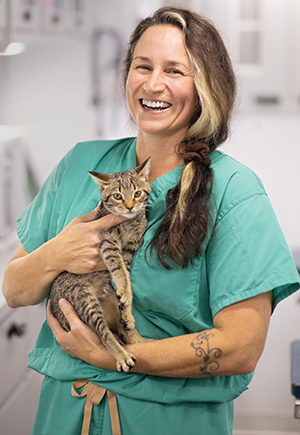
Dr. Jennifer Weisent,
UTCVM Clinical Assistant
Professor of Shelter Medicine
After completing her DVM she worked in shelter medicine, small animal practice, and several high volume, high quality spay-neuter clinics. Her interest in preventive medicine and public health brought her to Knoxville, where she completed a PhD in Epidemiology. She is passionate about research and teaching that interfaces with human, animal, and environmental health and welfare.
Companion animals, whether lost, abandoned, or relinquished to shelters, pay a harrowing price right alongside the shelter staff who are charged with protecting their health, safety, and well-being. Workers face frustration, stress, and a subsequent numbing to protect themselves from despair while their furry inmates languish for months upon months in clamorous conditions, designed only as a short-term sanctuary from hunger and the elements.
In 2023, the Association of Shelter Veterinarians, whose priority is to improve community animal health and well-being, spotlighted the struggles of front line animal workers nationwide in a position statement aimed at recognizing and addressing the human welfare issues present in animal sheltering. But what can we do here in East Tennessee to prevent animal homelessness and alleviate the current strain on our shelters and their workforce?
The solution can be a win-win: First, we show up, in whatever way we are available. I am writing this to you, dear reader, in the hopes that you will hear the call. Find a shelter, get to know their needs, and contribute in a way that works for you. Foster, donate, volunteer. Spay and neuter. Lend your skills, expertise, and resources. Appreciate animal shelter directors and staff. Provide supplies or enrichment, fund a project, or help write a grant. And of course, adopt. According to the ASPCA, only 30% of companion animals are adopted from shelters. We can shift the culture of pedigree and brand by caring for those who have been abandoned and neglected. Compassion for others enriches our lives and deepens the bonds we form with both our human and animal companions. The problem is here and now, and right in our backyard, but so is the solution: be aware, make a difference, and choose to save a life.
UTCVM’s outreach program, Companion Animal Initiative of Tennessee (CAIT), was created to improve the lives of companion animals and reduce the homeless pet population in Tennessee by promoting humane education and spay/neuter initiatives.
CAIT is funded solely through the generous support of our community members and corporate grants.
Explore More on
CompassionKnowledge
MORE FROM THIS ISSUE