UTCVM partners with police department to protect health of the dogs who protect us
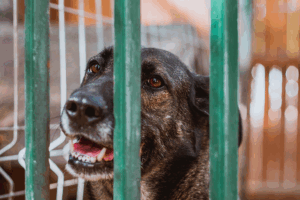
The canine teams of the Metro-Nashville Police Department deploy at a moment’s notice at any time, any day of the week, and any day of the year. Dogs trained to apprehend suspects or detect bombs or narcotics are very active, fearless, motivated, and duty-bound. These characteristics combined with the body type of German shepherds and Belgian Malinois breeds makes them susceptible to gastric dilatation-volvulus (GDV), a dangerous condition that can quickly turn fatal.
The good news is a minimally invasive surgery can prevent GDV, commonly known as bloat, and a partnership between MNPD and the UT College of Veterinary Medicine is helping keep canine units on the job.
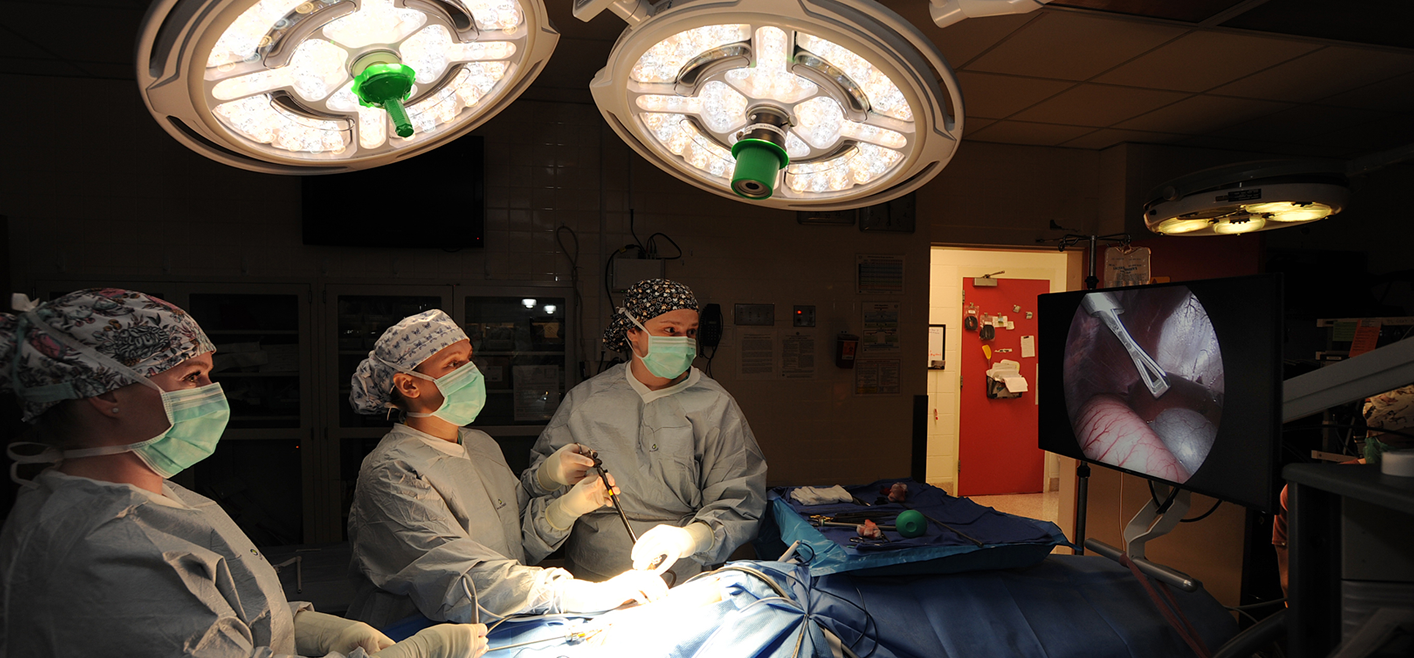
Since 2022, UTCVM has performed laparoscopic-assisted prophylactic gastropexy surgeries on eligible dogs in the MNPD canine unit, potentially saving lives and reducing the time in recovery and away from work. After surgery, the dogs are restricted from exercise such as running or playing for ten days with another four days of increased but no high-impact activity or training.
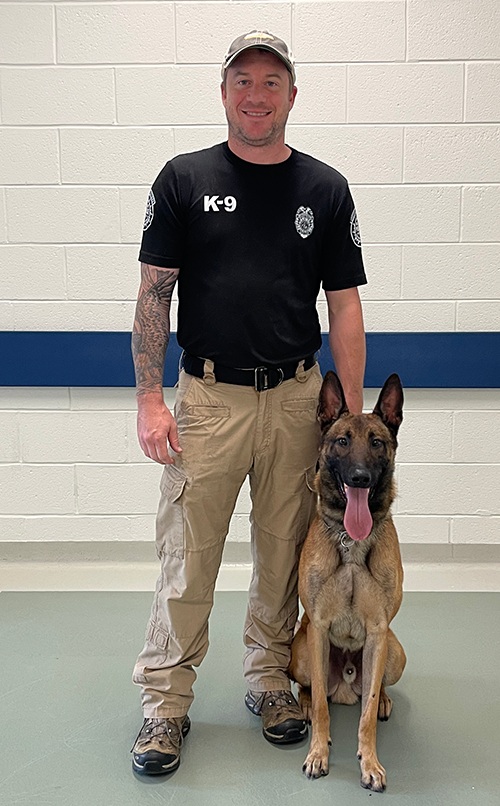
“Our unit provides 24-7-365 coverage. We have to get the dogs back on the streets as quickly as possible,” says Sgt. David Hacker, who supervises the canine unit’s second shift. “This is a quick turnaround. With UT, we scheduled one dog a month. When one dog recovers, another dog has the surgery.”
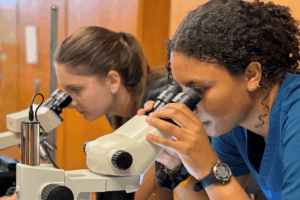
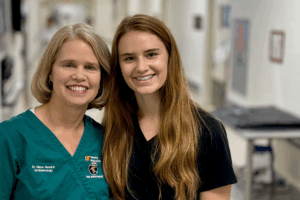
Cassie Lux, small animal surgery specialist and associate professor of surgery, has performed all the surgeries, which involves tacking the stomach wall to keep it from twisting. This type of gastropexy is less common in private practices and requires special training, which means observing and participating is beneficial for UTCVM graduate students.
“Dogs undergoing prophylactic gastropexy are taken to surgery when they are as healthy as possible, often at a younger age for the general population, because it’s often an elective surgery. So, their anesthetic events and surgery are safer because they’re systemically stable and healthy,” she says. “Complications are uncommon.”
MNPD plans to have any new dogs undergo this preventative surgery after they complete their training. “We always want to do what is best for the dogs,” Hacker says. “The No. 1 issue is to keep them active. They are go, go, go all the time.”
Tragic circumstances led the police department to connect with UTCVM. Hacker’s partner, a 5-year-old German shepherd named Doc, died in 2022 during emergency surgery for GDV. A few hours after feeding Doc one evening, Hacker recognized the signs of bloat and rushed Doc to an emergency vet.

“It was obvious what was happening. You don’t want to find your dog like that,” Hacker says.
When GDV occurs, the stomach dilates and expands, which can reduce the flow of blood and/or impact breathing. Other complications include the twisting of the stomach and spleen.
“When the twist happens, you’re on the clock,” Lux says. “The anesthetic and recovery process for GDV is much more risky. The dogs are often very systemically unstable when they present to the hospital, sometimes they have life-threatening heart arrhythmias, they are painful, and can have reduced blood flow to their vital organs.”
Between 10-15 percent of dogs with GDV will have death of their stomach wall due to lack of blood flow, and after death of the stomach wall, the chance of the dogs dying during surgery or recovery is as high as 30 percent. If there is no death of the stomach wall, the mortality rate with GDV ranges from 10 to 30 percent, Lux says. “The prognosis is generally a bit better if the stomach wall is healthy, but that is something we usually don’t know until we open the abdomen for surgery,” she says.
And that’s another reason preventative surgery is optimal. In the last 15 years, five MNPD canines experienced GDV, and three died. After Doc died, Hacker and others in the department sought help from veterinary practices and advice from other police departments. “For the next couple of months, we learned about how bloat occurs, and we knew if we could do the preventative surgery on the other dogs, we’d do it,” he says. After getting little response to their first requests for assistance, the department contacted then-UTCVM Dean Jim Thompson, and the first surgery was scheduled a month later.
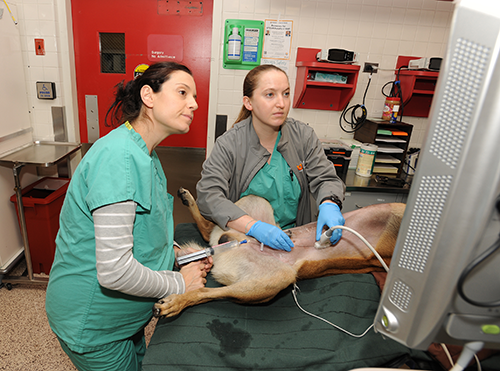
Hacker’s new K9 partner is Digo, a 5-year-old German shepherd/Belgian Malinois mix. Digo had an arthritic hip when he retired from the military, and UTCVM performed a hip replacement on him in August 2023.
Hacker says taking canines to the vet for any reason, including a check-up, is difficult. “They don’t enjoy it,” he says. For the gastropexy surgery, the handlers are on hand during sedation and in recovery to help the dogs and for the safety of all involved. Feedback from MNPD has been very positive with no complications or side effects.
Ofc. Steven Meador accompanied his K9 partner, Tito, for surgery at UTCVM. “He obviously enjoys working—likes to go to work and doesn’t like to sit around. Even in the car, you can tell when we are getting close to our training field so he can go outside, go play ball, jump our hurdles,” Meador says of Tito.
“This is my second dog. No matter what, they will always have your back, and they love going to work. They don’t care about anything else other than being with you and pleasing you. They don’t understand what danger is and will go into darkness around that corner without any hesitation.”
For Lux, all patients are important, but the ones from MNPD are certainly special because of their importance to law enforcement.
“We treat them with the reverence they deserve given how they serve their community,” she says. “We deeply respect the officers who handle these dogs and treat them as family.”
Explore More on
CompassionKnowledge
MORE FROM THIS ISSUE