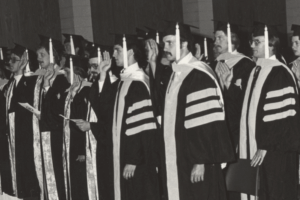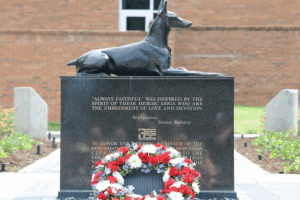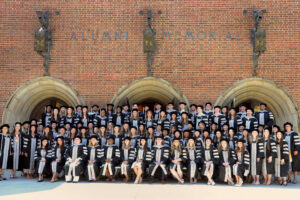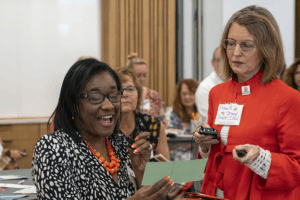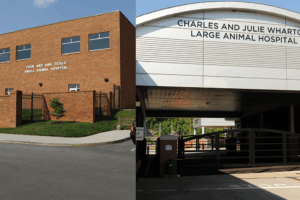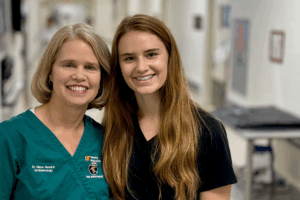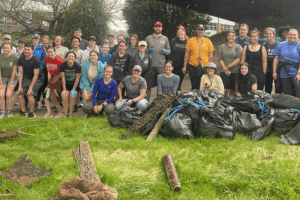
In the beginning, the focus of outreach for the college centered around developing a strong stakeholder base. These partnerships would be the foundation of the college’s success in achieving its vision and mission to provide knowledge, compassion, and discovery beyond its walls. Early in the college’s life, because there was not a large alumni base, the targets for outreach included veterinary students, practitioners, the Tennessee Veterinary Medical Association, Tennessee Farm Bureau, commodity groups, the UT Institute of Agriculture, the Tennessee Department of Agriculture, and animal associations and clubs.
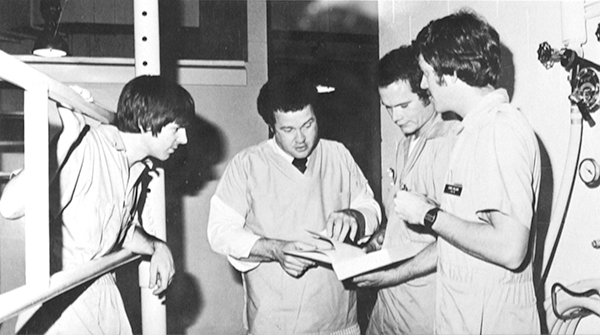
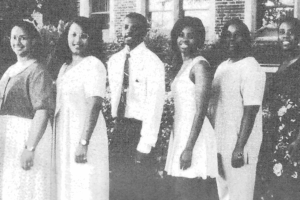
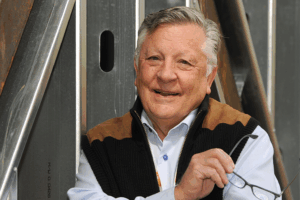
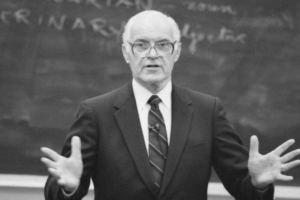
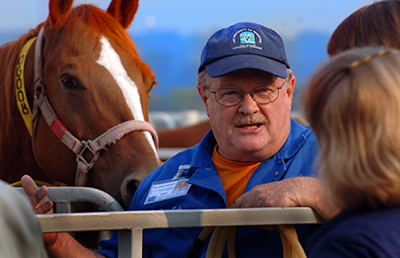
In 1978, Dr. John Henton began an organized effort to provide life-long learning opportunities for veterinarians in Tennessee and the region. His goal was for the college to have at least one continuing education opportunity, large or small, per month for stakeholders. Dr. Henton and his wife, Cathy, significantly contributed to the bond between the college and its growing alumni base by bringing faculty and students together professionally, academically, and socially. He and the college’s meeting planner, Barbara Campbell, were always an available, comprehensive resource for students, alumni, and veterinarians. On football Saturdays, you could always find John and Cathy at the UTCVM tailgate in one of the college’s parking lots. They always opened their home to students who couldn’t make it home for the holidays. Today, the two main continuing education conferences that were initiated during Dr. Henton’s tenure as outreach coordinator, continue to be held—the Henton Conference (termed the “Last Chance Seminars”) and the Annual Conference.
Today, the college’s lifelong learning opportunities have been joined by an array of other significant outreach programs, including, but not limited to, Human-Animal Bond in Tennessee (HABIT), Veterinary Social Work (VSW), Companion Animal Initiative of Tennessee (CAIT), Suicide Awareness Prevention, and the summer student experiences. Our outreach efforts are not only felt across Tennessee, but our footprint has grown as we impact the health of people and animals worldwide.
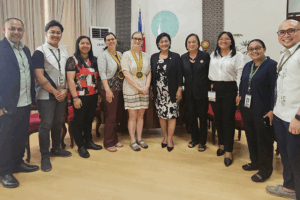
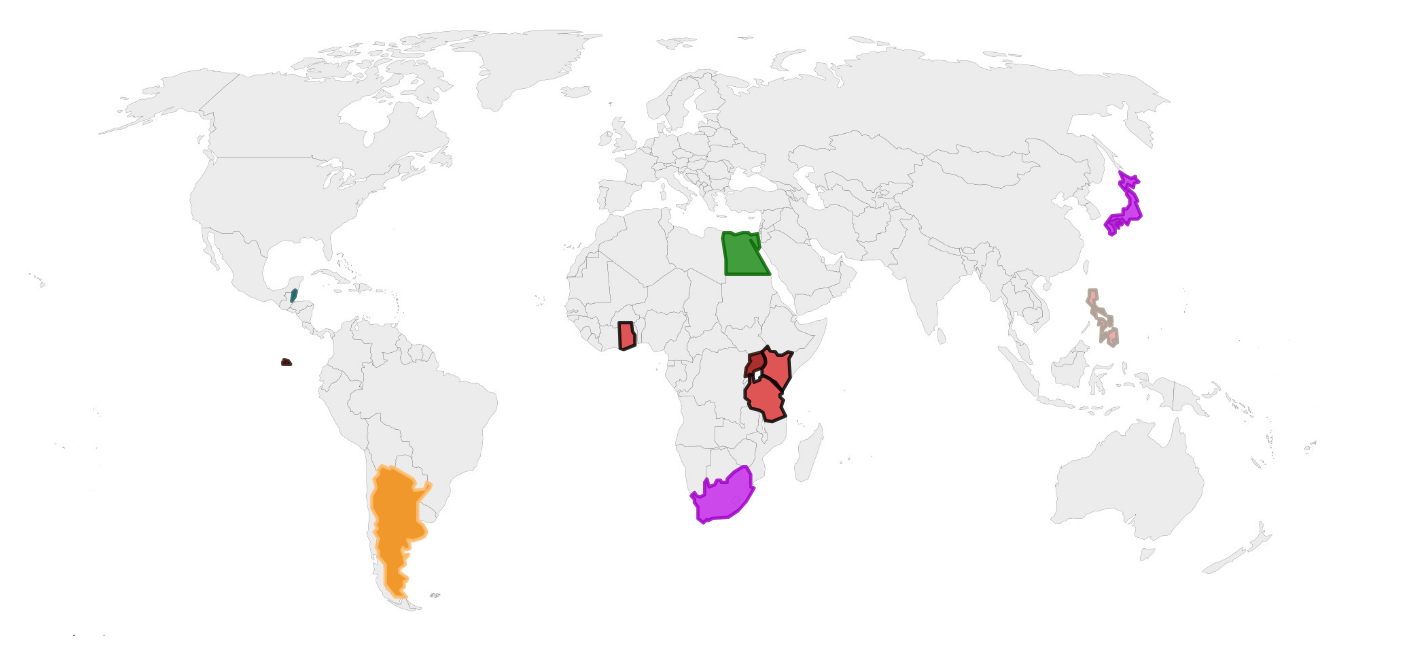
In 2023, the Center for Veterinary Social Work was launched with impacts across the globe. The college has hosted scholars from Argentina, the Philippines, Ghana, Kenya, Uganda, and Tanzania since 2022 and is hosting a cohort of Filipino veterinary educators in fall 2024. We are also sending our students around the globe to learn about zoo medicine in Belize, rural medicine in Argentina, access to care and One Health in the Galapagos, and wildlife rehabilitation in South Africa.
In the summer of 2014, Dr. Courtney Dickson (CVM Class of 2016) spent two months in rural South Africa working with veterinarians and wildlife rehabilitators as a rising third-year veterinary student. The experience changed her life and she wanted to pay it forward to future veterinary students. Traveling to the other side of the planet can be daunting. Dr. Dickson wanted to remove this barrier so UTCVM students could work with South African wildlife, visit Kruger National Park, and experience a different culture.
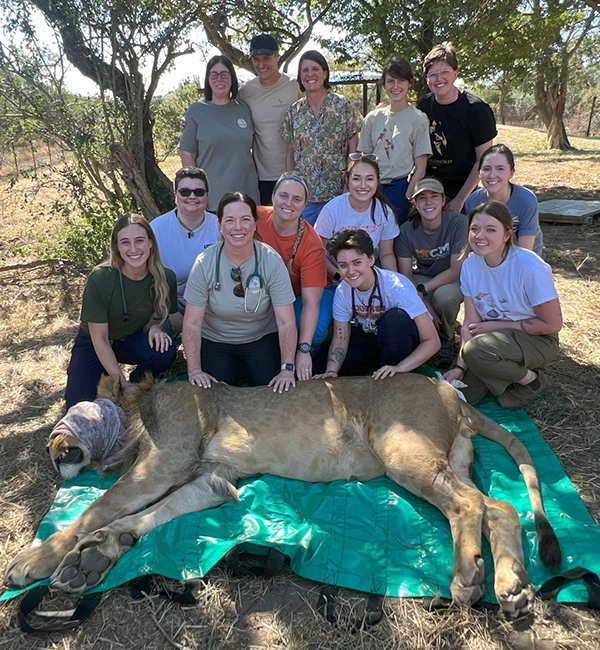
Dr. Dickson began her South Africa Veterinary Experience (SAVE) program for UTCVM first- and second-year students in 2019 and has brought groups every summer – with a few years’ break due to the pandemic. Students travel to South Africa as a group with Dr. Dickson, spend two weeks working at Moholoholo Wildlife Rehabilitation Centre, and then spend a week on safari in Kruger National Park. Over the years, 41 students have participated in the program. In 2024, the non-credit program was officially offered as a UTCVM volunteer abroad opportunity and 20 students participated. Dr. Marcy Souza, associate dean for outreach and global engagement, also traveled with the students in 2024 to learn more about the program and serve as a left-side-of-the-road safari driver in Kruger National Park.
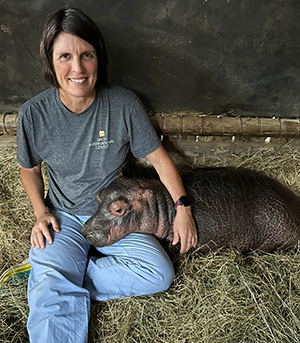
Everyone was very excited because Gloria, an orphaned baby hippo, was also at the rehab center. Gloria was found abandoned a few months earlier. She loves her bottle and her sheep friend Moonie. Eventually, Gloria will be placed on a reserve because although she was cute and sweet at this age, that won’t last forever!
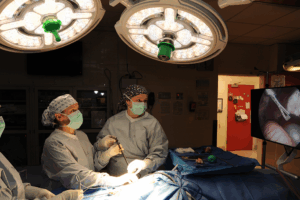
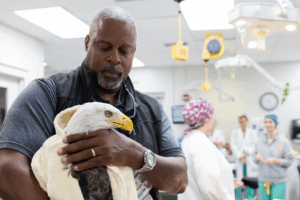
Much of the time at Moholoholo was spent taking care of non-releasable wild animals that are now part of education programs. These animals include numerous bird species, little and big cats, hyenas, African wild dogs, and honey badgers. Students also design and implement enrichment activities for the animals. When possible, veterinary procedures are performed. In 2024, Baghera the leopard was neutered by Dr. Dickson, and Kenso the lion had wound care provided by Dr. Souza.
The SAVE program is a once-in-a-lifetime opportunity for UTCVM students to travel to South Africa and work with native wildlife without the stress of being graded. Has anyone else hung out with a baby hippo for hours at a time? Dr. Dickson plans to take another group of students in the summer of 2025 and hopefully for years after. Where will we be in the next 50 years?
Want to support the New Family Veterinary Study Abroad Fund? Call 865-974-4379
MORE FROM THIS ISSUE