UT’s Veterinary Obesity Program
At the University of Tennessee College of Veterinary Medicine’s Veterinary Obesity Center, remarkable transformations happen through dedication, expert care, and sometimes unexpected partnerships. Two recent cases, Bentley, a hound mix from Tennessee, and Gumbo, a Balinese cat from North Carolina, demonstrate how different approaches can lead to life-changing outcomes for pets struggling with obesity.
Bentley’s Story:
When Community Makes the Difference
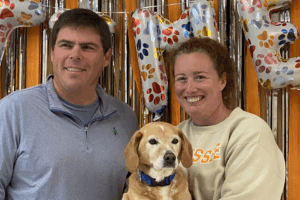
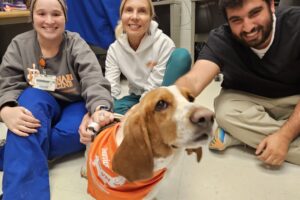
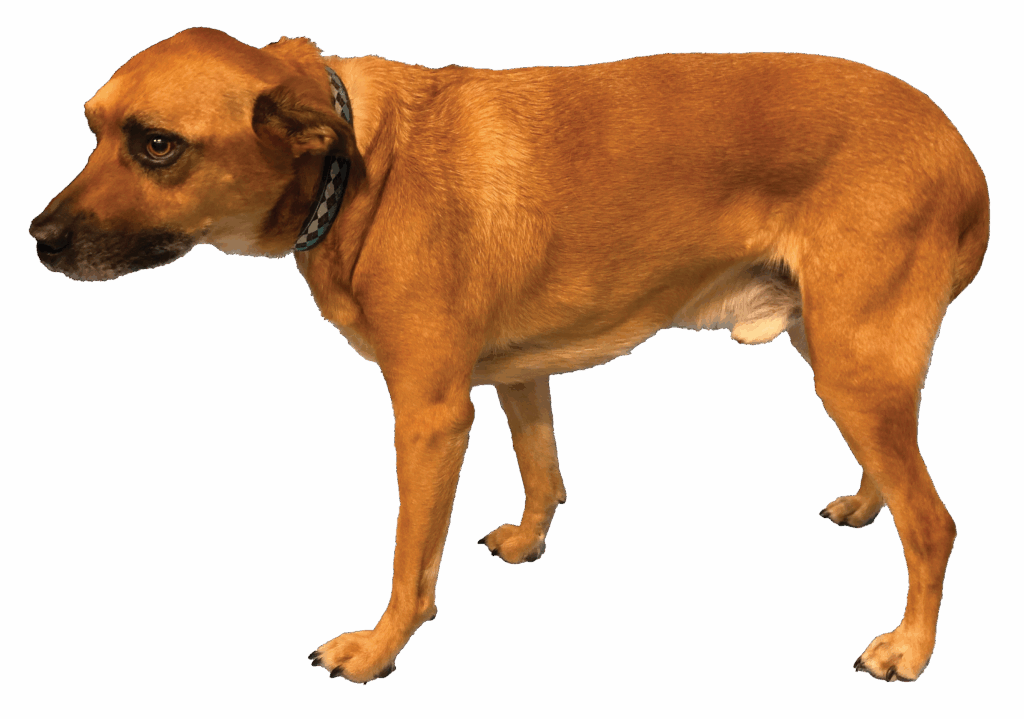
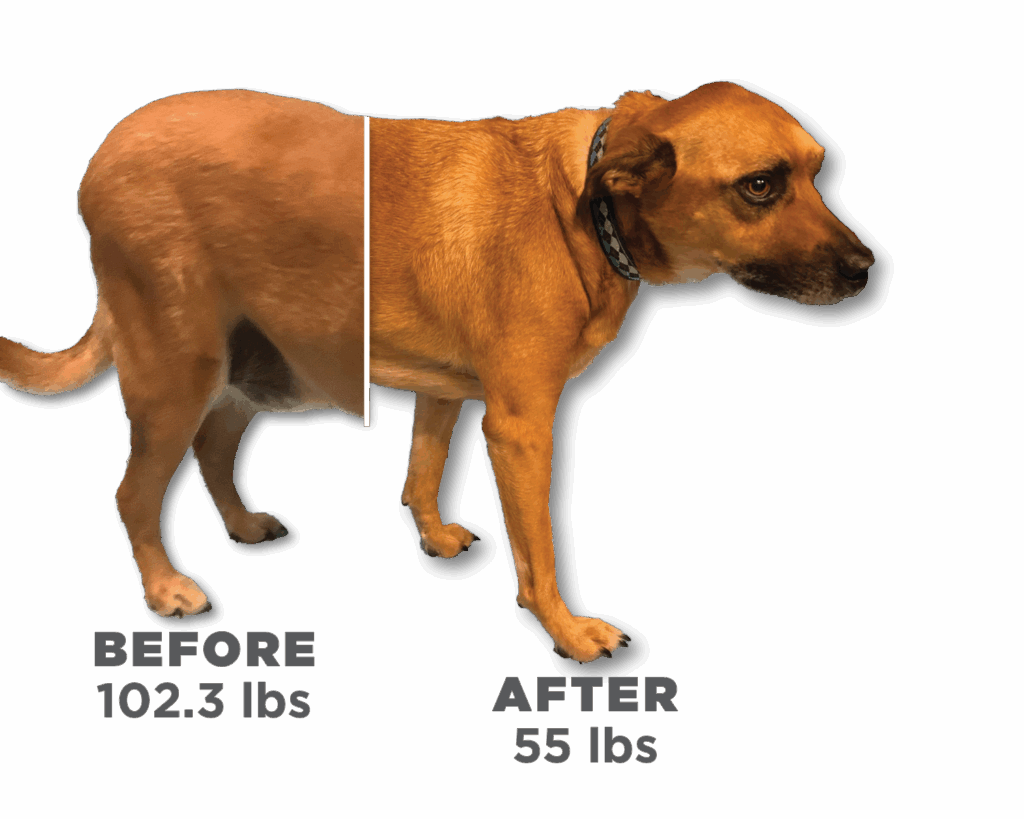
When Bentley arrived at the center, the four-year-old hound mix weighed 102.3 pounds. With a body condition score of 9 out of 9, the highest obesity rating, Bentley was suffering from severe arthritis that made walking difficult.
What made Bentley’s case unique wasn’t just his size but his support system. His owner’s work schedule and frequent travel meant that caring neighbors had stepped in to help with daily care. Recognizing that Bentley would feel better if he weighed less, his neighbors offered to bring him to the Veterinary Obesity Center for his monthly rechecks and helped his owner follow feeding recommendations. Everyone worked together to help Bentley live his best life.
The results were extraordinary. Bentley lost nearly half his body weight and achieved a target weight of 55 pounds. His body condition score improved to 6 out of 9. More importantly, the dog who once struggled to move around his home now walks with energy and ease.
Gumbo’s Journey:
The Power of Dedicated Ownership
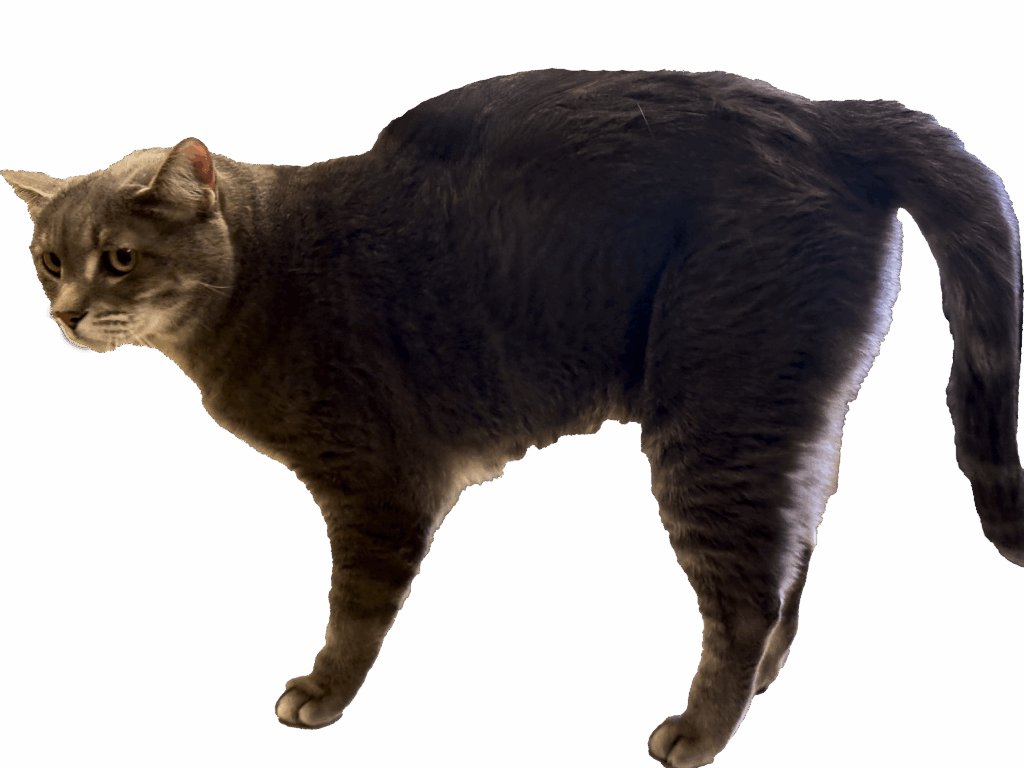
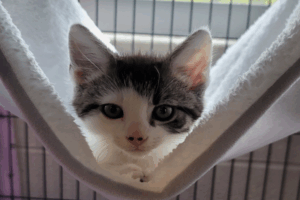
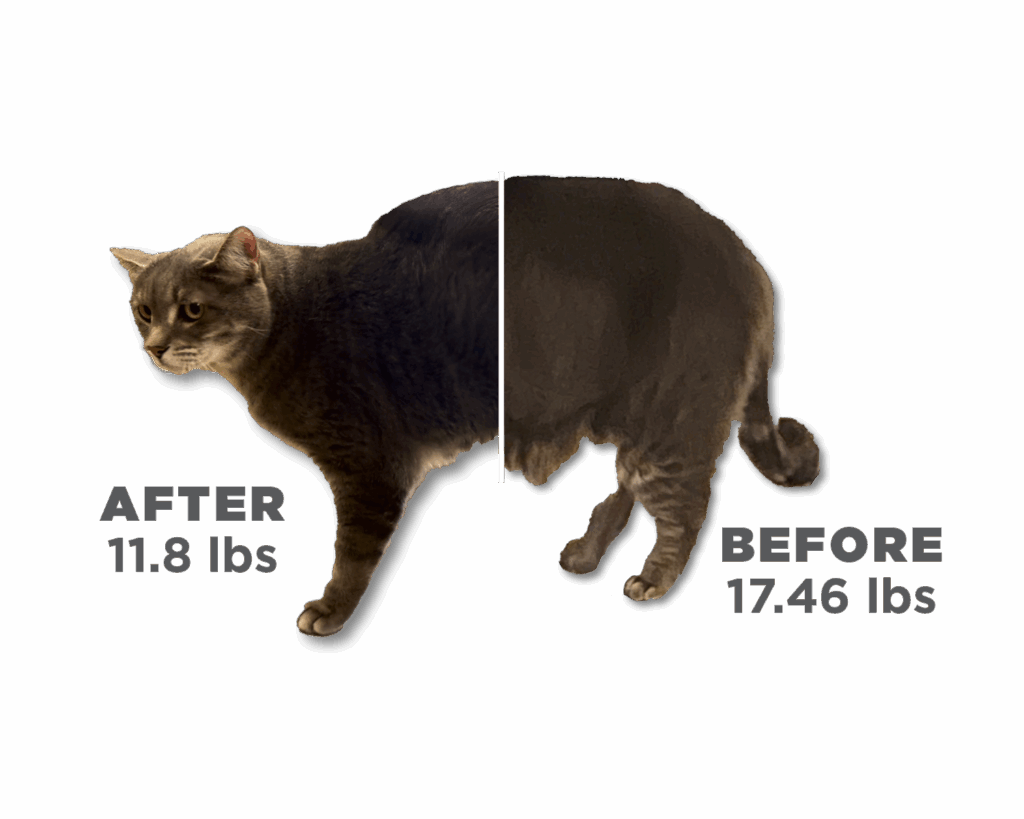
While Bentley’s transformation required a village, Gumbo’s success story centers on the exceptional dedication of one owner. When this six-year-old Balinese cat first visited the center in February 2024, he presented with significant obesity at 17.46 pounds. His body condition score was also 9 out of 9.
Despite living in North Carolina, hundreds of miles from the Tennessee clinic, Gumbo’s owner committed fully to the weight management program. The treatment plan involved carefully calculated portions of a specialized diet designed for weight loss, combined with a structured daily treat allowance tailored specifically for Gumbo’s needs.
The key to Gumbo’s success lay in his owner’s willingness to make consistent adjustments based on the center’s recommendations. Regular communication with the clinical team ensured that the program stayed on track, even across the geographic distance.
By January 2025, nearly a full year later, Gumbo had achieved his goal weight of 11.8 pounds with an ideal body condition score of 5 out of 9. He now is a cat who has reclaimed his health, mobility, and quality of life.
The Bigger Picture
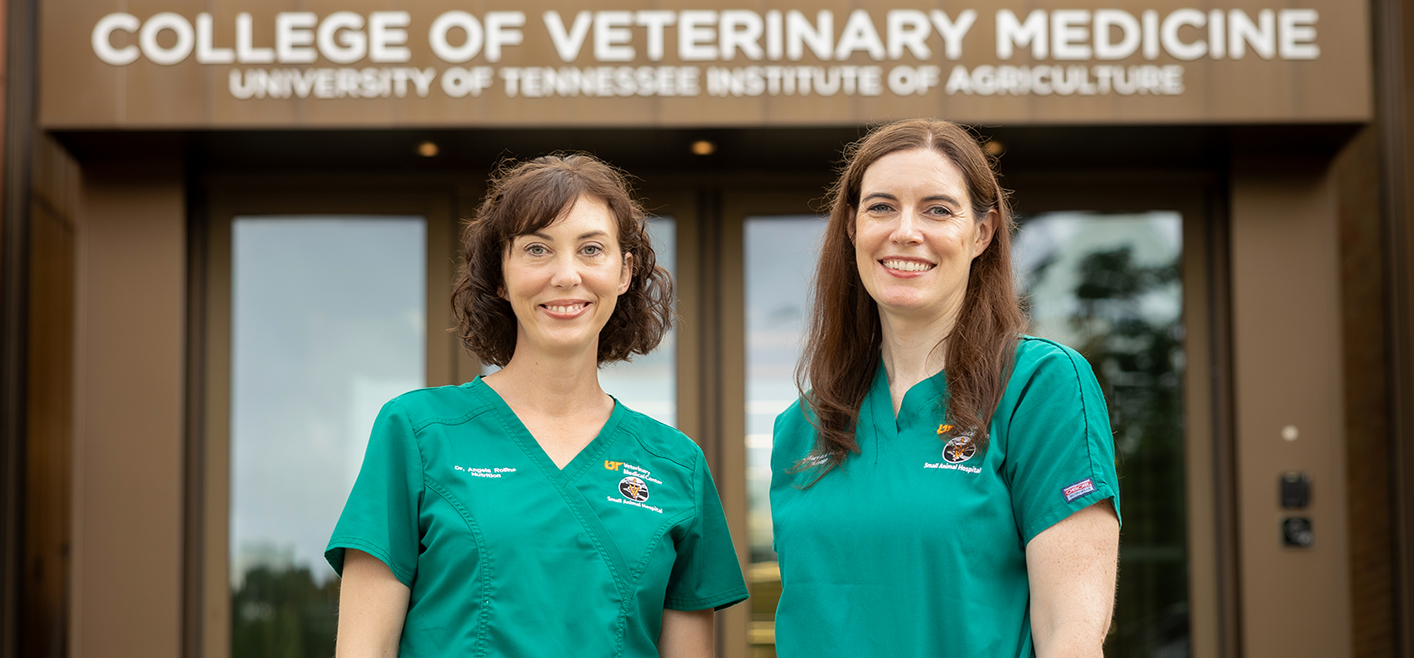
The success stories from the Veterinary Obesity Center represent one facet of the University of Tennessee’s comprehensive commitment to advancing veterinary nutrition. The college’s Veterinary Nutrition Service, staffed by Board Certified Veterinary Nutritionists, nutrition residents, and specialized technicians, addresses the full spectrum of nutritionally responsive medical conditions.
Current research initiatives extend beyond weight management to investigate dietary approaches for various medical conditions, including chronic intestinal disease. Through professional education and research publication, insights from cases help inform clinical practice nationwide.
Building on Success
The Veterinary Obesity Center operates with support from Royal Canin, whose funding enables the center’s comprehensive approach to pet weight management and ongoing research into obesity treatment protocols.
The center’s work contributes to the broader mission of the college’s veterinary nutrition service, which has been training the next generation of veterinary nutritionists through residency programs since 2006. These programs have been supported by Hill’s Pet Nutrition for over 15 years, with Nestlé Purina providing veterinary technician and support staff funding. Most recently, The Farmer’s Dog has joined these partnerships by providing support for an additional residency position.
For more information about the Veterinary Obesity Center and Veterinary Nutrition Service, visit the UTCVM Small Animal Clinic
Explore More on
CompassionKnowledge
MORE FROM THIS ISSUE