Veterinary Researchers Target Animal and Public Health Through 2024–2025 COE-Funded Projects
The University of Tennessee College of Veterinary Medicine (UTCVM) is passionate about advancing animal and human health through research supported by the Center of Excellence (COE) in Livestock Diseases and Human Health. For the 2024–2025 funding cycle, the COE supported ten projects that tackle some of the most pressing issues in veterinary science today—ranging from infectious diseases and animal welfare to obesity, neurological illness, and access to care.
Safeguarding Livestock Health and Productivity
Healthy livestock are essential to a sustainable food supply and agricultural economy. Several COE-funded projects this year focus on diseases that threaten cattle health and reproduction.
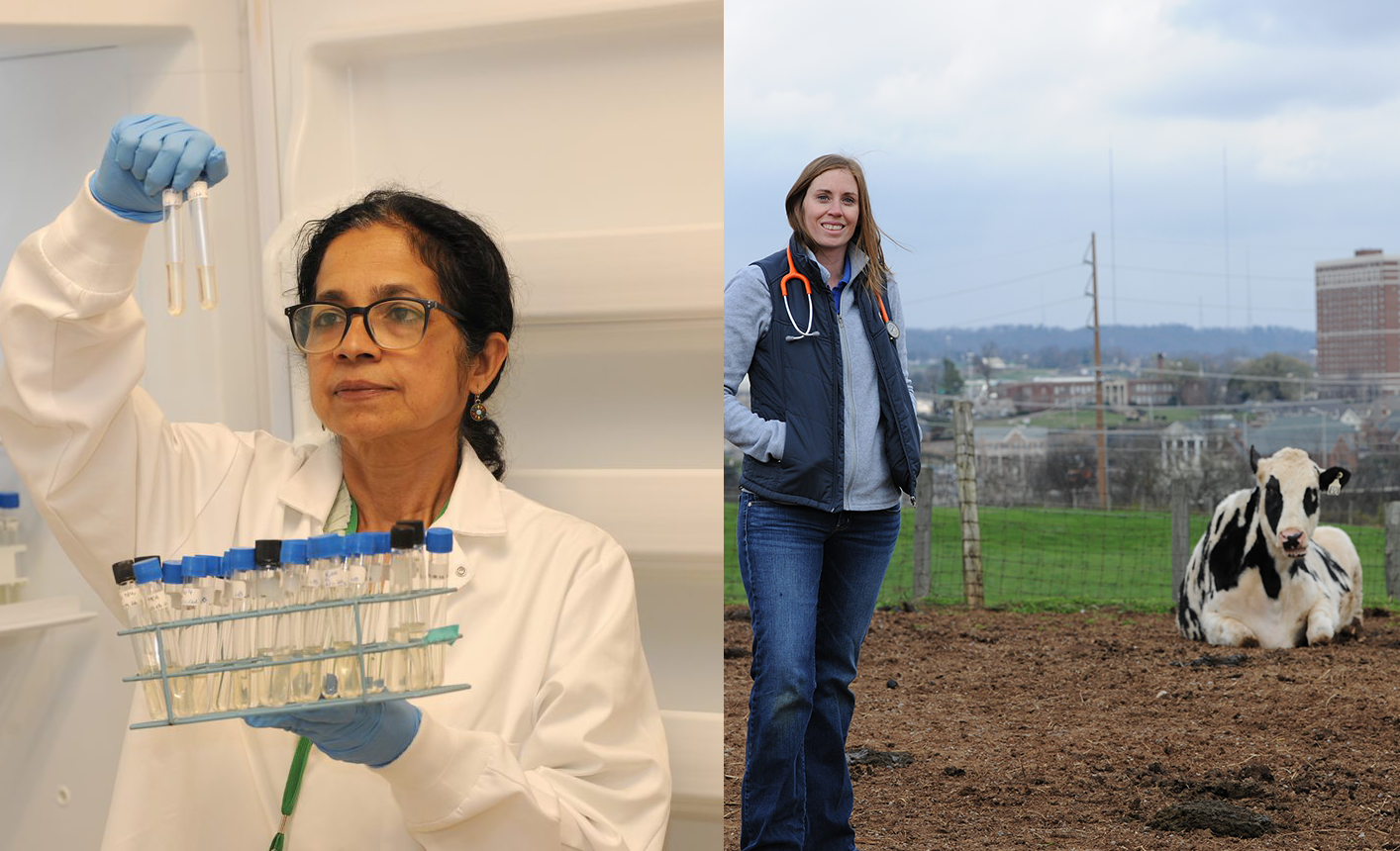
Sreekumari Rajeev is investigating how Leptospira—a bacterial pathogen that often goes undetected—impacts reproductive health in cows. This research focuses on understanding how the bacteria colonize the reproductive tract, potentially leading to pregnancy loss, repeat breeding, and economic hardship for producers.
Marc Caldwell is tackling respiratory disease in calves, a widespread yet often underestimated problem. His team is conducting a large-scale field study comparing two vaccines against Mannheimia haemolytica, a major cause of pneumonia in young dairy calves. The goal is to reduce illness, improve calf survival, and provide evidence for better vaccination strategies.
Meanwhile, Andrea Lear’s research zooms out to look at animal health from a community perspective. Her project examines how socioeconomic barriers affect access to veterinary care—especially in under-served areas—and seeks practical solutions to help more pet owners and producers get the support they need to keep animals healthy.
Fighting Emerging and Zoonotic Diseases
Several COE-funded studies target diseases that affect not only animals but also pose risks to public health.
Richard Gerhold is studying Toxoplasma gondii, a parasite with a wide host range—including humans. By surveying raccoons in Tennessee, the research team hopes to understand whether these common wildlife species serve as important carriers of the parasite, potentially affecting both livestock and human populations.
Girish Neelakanta and Hameeda Sultana are addressing strategies to target anaplasmosis caused by bacterium Anaplasma phagocytophilum. They have identified a protein on this bacterium that could be targeted to prevent A. phagocytophilum colonization in tick cells. With tick-borne diseases on the rise globally, this research helps protect both animal and human health by guiding future treatment strategies.
Another team led by Jacquline Risalvato is working to get ahead of an emerging threat: Rabbit Hemorrhagic Disease Virus 2 (RHDV2). This highly contagious and deadly virus has spread across the US in recent years. Her lab is working to further understand viral pathogenicity in culture and field samples and immunophenotype differences to help develop better diagnostic options for this disease. This research will help protect pet, farmed, and wild rabbits from outbreaks of RHDV2.
Understanding Viruses That Target the Brain
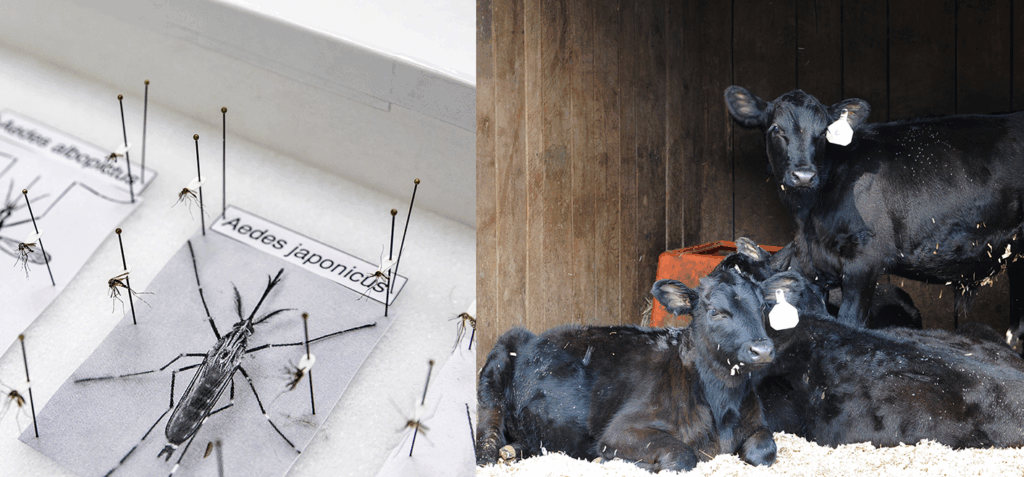
Tick-and mosquito-borne viruses have been linked to a growing number of neurological disorders. Hameeda Sultana is using a model virus, closely related to tick-borne encephalitis, to explore how these infections alter the structure and function of neurons. Her findings could help explain how certain viruses cause long-term brain damage in both animals and humans—and potentially guide the development of new therapies.
Advancing Animal Welfare and Innovative Therapies
UTCVM researchers also are tackling health issues that affect quality of life for animals, especially those that are often overlooked.
Ashley Hartley is working to better understand treatment for Blastomycosis, a serious fungal infection that affects both dogs and people. The infection, which starts at the lungs and sometimes spreads to other organs, is not fully understood in canines. While we know how the human immune system responds, little is known about how dogs fight this disease. This project studied the immune system of dogs with blastomycosis, focusing on special white blood cells (T cells) and the chemical signals (cytokines) they release. By comparing sick dogs to healthy ones, researchers hope to discover patterns that can guide better treatments, predict outcomes, and improve care for dogs—while also offering insights relevant to human health.
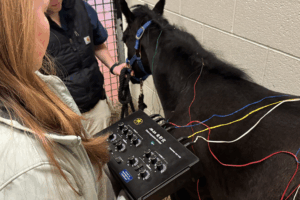
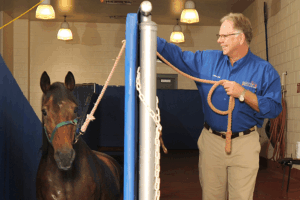
Also working to improve quality of life for animals, Elizabeth Collar and Madhu Dhar are taking on equine osteoarthritis, a painful condition that affects the joints of horses. Their research evaluates whether stem cell injections can reduce cartilage breakdown, improve joint health, and decrease pain from arthritis. By tracking biological markers in joint fluid, the team hopes to develop more effective treatments for horses suffering from joint degeneration.
And, in a novel approach to managing obesity in dogs, Maryanne Murphy is testing a microneedle patch containing a “browning” compound designed to help white fat behave more like metabolically active brown fat. This research—initially tested in mice—could one day offer a convenient and effective treatment for canine obesity, which affects more than half of dogs in the US.
A Holistic Approach to Animal and Human Well-Being
Together, these ten research projects reflect the COE’s commitment to solving real-world problems that affect animals, their owners, and the broader public. Whether it’s protecting livestock from reproductive loss, developing vaccines for emerging diseases, advancing treatments for chronic conditions, or improving access to care, each study is designed to make a meaningful difference.
Through the support of the COE, UTCVM researchers are pushing boundaries and building a healthier future—one discovery at a time.
MORE FROM THIS ISSUE