A Pandemic-era Reckoning
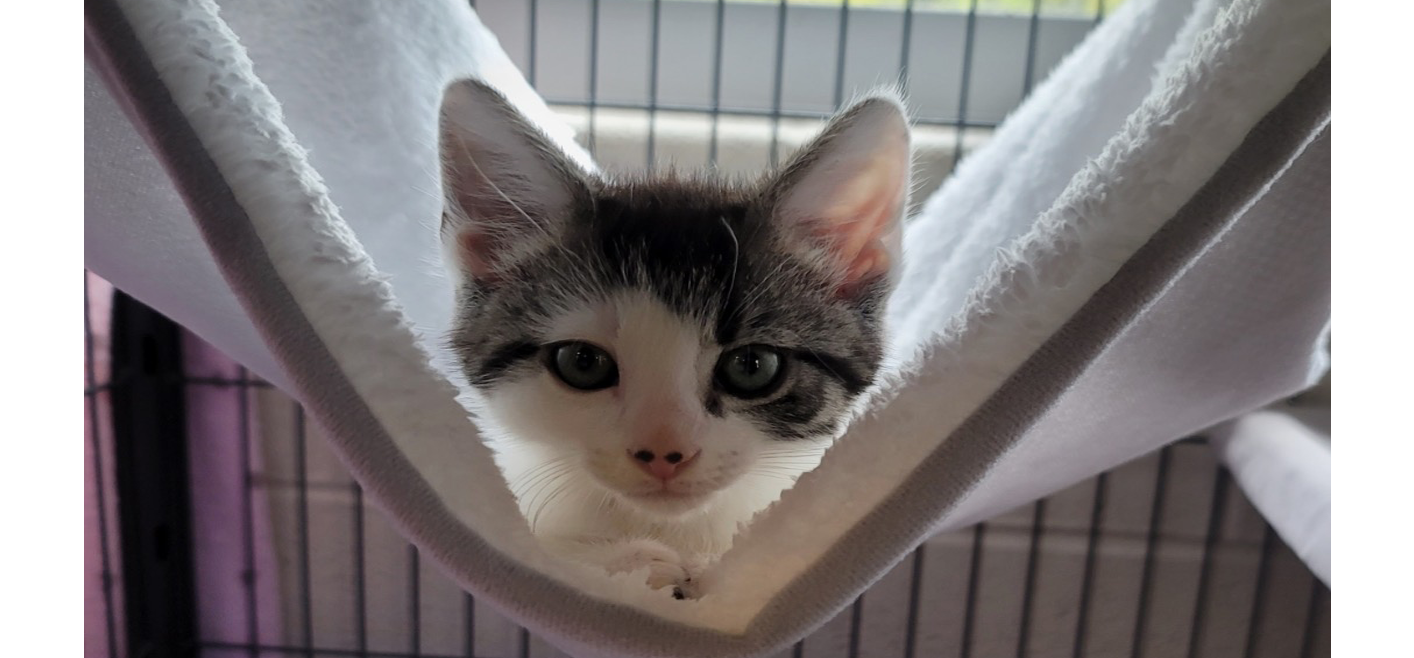
Across the country, animal shelters are facing a crisis unlike anything seen in recent memory. For some, the pandemic brought a brief reprieve; animal shelters were emptied as families sought companionship during lockdowns. But what followed has been a cascade of challenges; while shelters have been chronically overwhelmed by cats, regional shelters now report more puppies than they’ve received in years, large-breed dogs that don’t get adopted for months, staff stretched beyond their limits, and communities struggling to adapt to a new reality.
At the heart of this crisis lies a sobering truth: shelters were never meant to be the sole solution for every stray or unwanted pet in a community. Instead, they were designed as a safety net, a last resort for animals with nowhere else to go. Unfortunately, the pandemic has exacerbated and exposed chronic vulnerabilities in the sheltering system and left both animals and the people who care for them in distress.
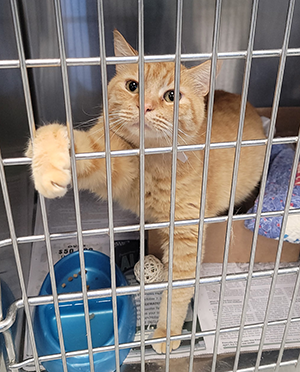
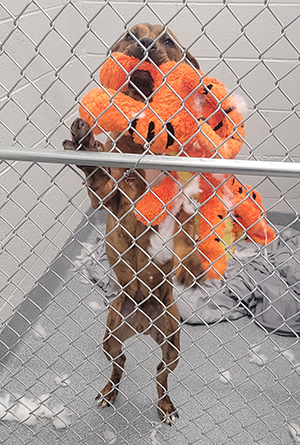
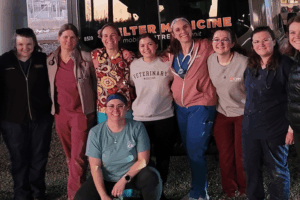
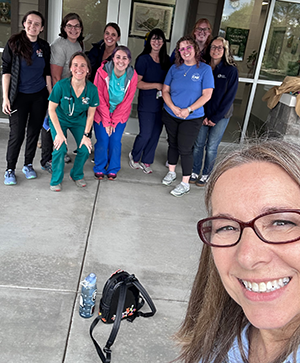
By partnering with the Maddie’s Million Pet Challenge (MMPC) shelter consult team this spring, our UTCVM Shelter Medicine Service joined a determined effort to change the trajectory for local shelters. In just five days, we visited seven shelters across East Tennessee. Working together to find practical solutions, inspire hope, and help our communities build a more resilient future for pets and people alike.
Because data capturing in shelters varies nationally, it is impossible to determine accurate numbers, but available data does suggest that spay and neuter programs have not rebounded to pre-pandemic levels, leading to higher intakes of puppies and an overall increase in animal populations. National data from Shelter Animals Count indicates that total dog intakes are slightly lower than before the pandemic, but adoptions have dropped significantly, leaving more dogs lingering in shelters for many months. This mismatch between intake and adoption rates is compounded by stalled interstate transport programs. Traditionally a lifeline for crowded shelters, these networks have struggled to recover as distant communities also face declines in their own adoption bases.
Staff bear the brunt of this burden. Chronic staff shortages, combined with ever-rising animal populations, have led to burnout and diminished quality of care for the animals, which leads to a cycle of creating even more stress for the staff. The strain is felt by all. Our shelters have been operating far beyond their capacities, and the animals and staff are suffering as a result. The UTCVM Shelter Medicine service works with nineteen regional shelters and rescues, all of them affected by the pandemic and many also affected by the devastating impacts of Hurricane Helene last fall.
The MMPC team examines shelter and community statistics, reviews municipal ordinances, and then tours the shelter. Through a holistic and comprehensive evaluation, they identify intake practices and outcome barriers that put shelters over capacity and compromise animal welfare. Using a positive approach and a host of partners nationwide, they support the shelter and, when needed, the municipality to overcome obstacles and improve the lifesaving work of the animal shelters.
Change intake practices. Instead of the long-standing model that any animal a person cannot care for should go to the shelter, the MMPC group helps shelters find ways to support people to keep their pets or to rehome them on their own. This is a resource and mindset shift for all of our shelters, and it’s a big shift for the public.
Enlist field services (animal control) to help on this front, too, by returning a roaming animal to its home before ever bringing it to the shelter.
Use more volunteers and foster homes. Every day a pet is outside of the shelter, its stress levels reduce, and its personality becomes more visible, which leads to better, more successful matches with its next family.
Finally, MMPC looks at many ways for shelters to improve the care of the animals housed with them.
It’s going to take time, resources, and a mindset shift among the professionals and the public. We hope the communities will understand that for animal shelters to truly help pets, they must operate at a level at which they can properly care for the animals entrusted to them. But, with continued advocacy and support, there remains hope that our shelters can once again fulfill their intended role: serving as a vital safety net for animals in need while building a more resilient system for all.
What Can You Do to Help?
- Found a stray? Talk to the neighbors—most animals are found within about 1 mile of their home. Post photos on social media. Walk the pet to see if someone is looking. Report to local shelters with a good description. Post signs.
- Can’t keep your pet? Use social media and personal networks to responsibly rehome your pet. Despite all the hard work, shelters are incredibly stressful places for the animals, where they often won’t showcase their best traits and are at much higher risk of contracting infectious diseases that can be deadly.
- Volunteer to foster shelter animals
- Volunteer to pay adoption fees
Shelters remain vital as a safety net when human emergencies arise, the pet gets injured on the streets, and in cases of neglect and cruelty, but they should not be the default option. Prolonged stays in stressful shelter environments can be detrimental to animal welfare and make it harder for pets to showcase their true personalities.
Want to support Companion Animal Initiative of Tennessee? Call 865-974-8140
Explore More on
CompassionKnowledge
MORE FROM THIS ISSUE