Today’s academic institutions step far beyond the classroom: They partner with industry stakeholders, legislators, host educational outreach opportunities, and join national efforts to influence public understanding. Colleges and universities must go beyond traditional roles to foster environments that promote continuous growth, innovation, and collaboration. One of the key strategies to achieve this is through proactive stakeholder engagement, especially by leadership, whose influence extends beyond administrative tasks to actively shaping the institution’s future.
Central to this approach is the presence of a dean willing to participate in legislative engagement, public outreach, and professional associations that can shift the college culture in powerful ways. The dean’s role is not merely administrative or ceremonial; it is strategic and relational. An engaged dean actively seeks opportunities to bridge gaps between academia and industry, research and practice, students and real-world applications.
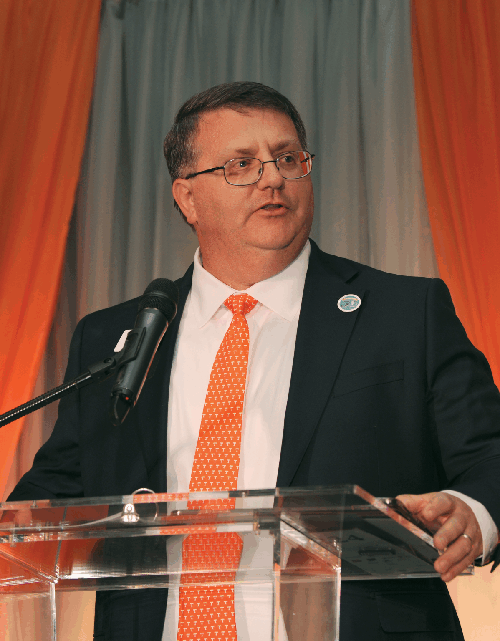

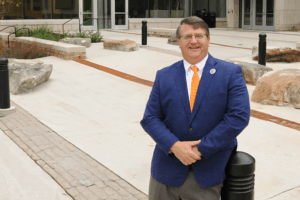
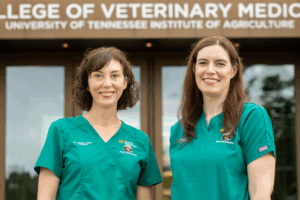
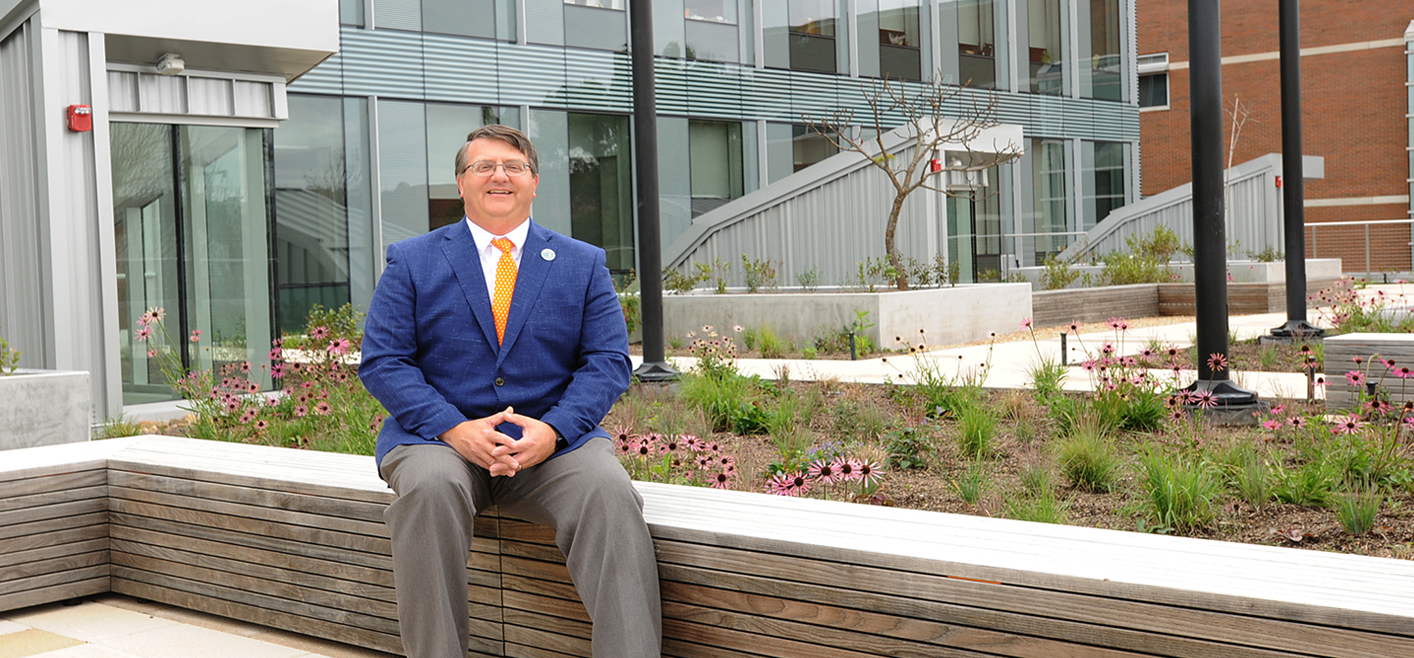
Since being named the dean of the University of Tennessee College of Veterinary Medicine (UTCVM) last year, Dean Paul Plummer has hit the ground running by providing strategy and increased visibility across the state and nation. Plummer is a leader who is willing to engage on multiple levels by communicating openly with faculty, students, alumni, industry partners, and community stakeholders. He recognizes that collaboration fuels innovation and that building meaningful partnerships can provide invaluable experiential opportunities.
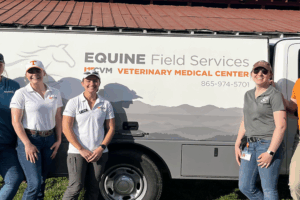
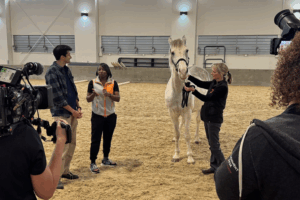
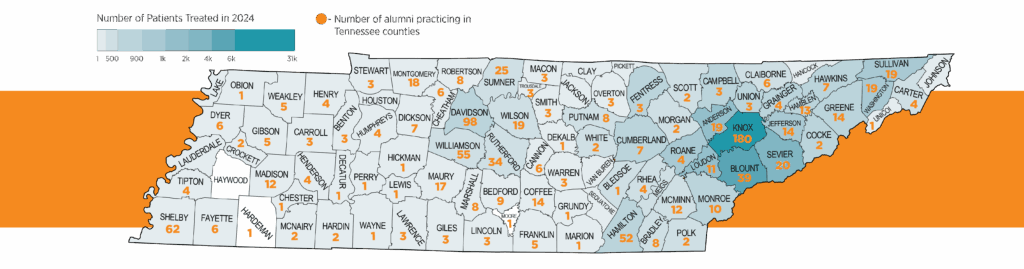
One prime example of such engagement is UTCVM’s participation in the annual Ag Day on the Hill celebration at the state Capitol in Nashville. Ag Day on the Hill features a variety of events, exhibits, interactive activities, livestock displays, and numerous representatives from the agriculture and forest industries. UTCVM was on hand to answer questions from state legislators, judicial members, and state executive leadership about the College of Veterinary Medicine and the counties impacted by the research and education aspects of the college. It was an opportunity to showcase the work of UTCVM both inside and outside the walls of the classroom.
On the national stage, Plummer serves as the executive director of the National Institute for Antimicrobial Resistance Research and Education (NIAMREE). NIAMRRE plays a significant role in veterinary medicine by focusing on research, education, and outreach related to antimicrobial resistance (AMR). This collaboration brings together academia, industry, and lawmakers in coordinated efforts around antimicrobial resistance research and policy. In addition, UTCVM has a seat at the national table, since Plummer is serving as the chair of the Presidential Advisory Council for Combating Antimicrobial Resistant Bacteria (PAC-CARB) and serves on the American Veterinary Medical Association Committee on Antimicrobials. The PAC-CARB is a federal advisory council that provides advice, information, and recommendations on all things related to AMR to the Secretary of Health and Human Services (HHS) in close consultation with the Departments of Agriculture and Defense.
Engaging on multiple levels—academic, industry, community—creates a rich ecosystem where ideas, talents, and resources can develop freely. This multidimensional engagement helps the college in a variety of ways. Incorporating industry standards and real-world applications ensures students graduate with skills that meet current demands in the veterinary sciences workforce. These active collaborations with research organizations and industry partners can lead to grants, sponsorships, and research funding. Partnerships facilitate internships, co-op programs, and employment pipelines to result in increased student opportunities. Lastly, it elevates the institutional reputation of UTCVM by demonstrating active industry engagement and positions the college as a leader in applied research and workforce development.
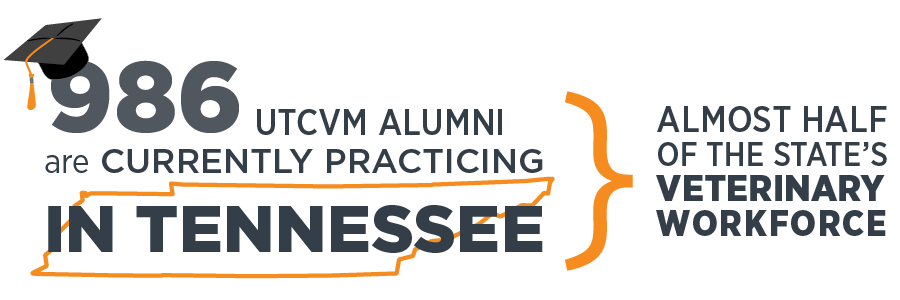
Plummer’s leadership is building a culture of increased engagement. He is initiating dialogue with industry leaders, participating in community outreach, and fostering a campus culture that values innovation and collaboration. He is a catalyst for the college in building strong connections with industries, fostering innovative research, and cultivating a dynamic learning environment that benefits students, faculty, and the agriculture and veterinary community alike. Moreover, Plummer’s commitment to continuous engagement on multiple levels signals to faculty and students that the college values external relationships and is committed to relevance and growth.
In an era where rapid technological change and industry evolution define success, colleges cannot afford to be complacent. Proactivity and engagement in leadership, especially through a dean’s willingness to engage with broader communities and industry partners like the legislature and NIAMRRE, are essential to remain competitive and relevant. Such engagement fosters an environment that nurtures innovation, enhances educational offerings, and ultimately benefits all stakeholders involved.
The future of higher education depends upon leaders who look beyond the classroom, actively seek opportunities, and build bridges across academia and industry. By doing so, colleges can not only adapt to future challenges but also shape them, ensuring a resilient and forward-thinking educational landscape.
MORE FROM THIS ISSUE